If Words Can Change a Plant… Imagine What They're Doing to You
What happens when you insult a plant… versus praise it every day? One simple experiment reveals a powerful truth about human biology, emotional energy, and the invisible influence of our words. If negativity can stunt plant growth, what is it doing to your mind, your body, and the people around you?
If Words Can Hurt a Plant… What Are They Doing to You?
Here’s something fascinating — and a little unsettling.
A simple experiment was conducted using three identical sets of seeds. Same sunlight. Same water. Same environment. One difference only: the words spoken to them.
- One group received no interaction (control)
- One group received harsh insults and negativity
- One group received praise, gratitude, and encouragement
Then something unexpected happened.
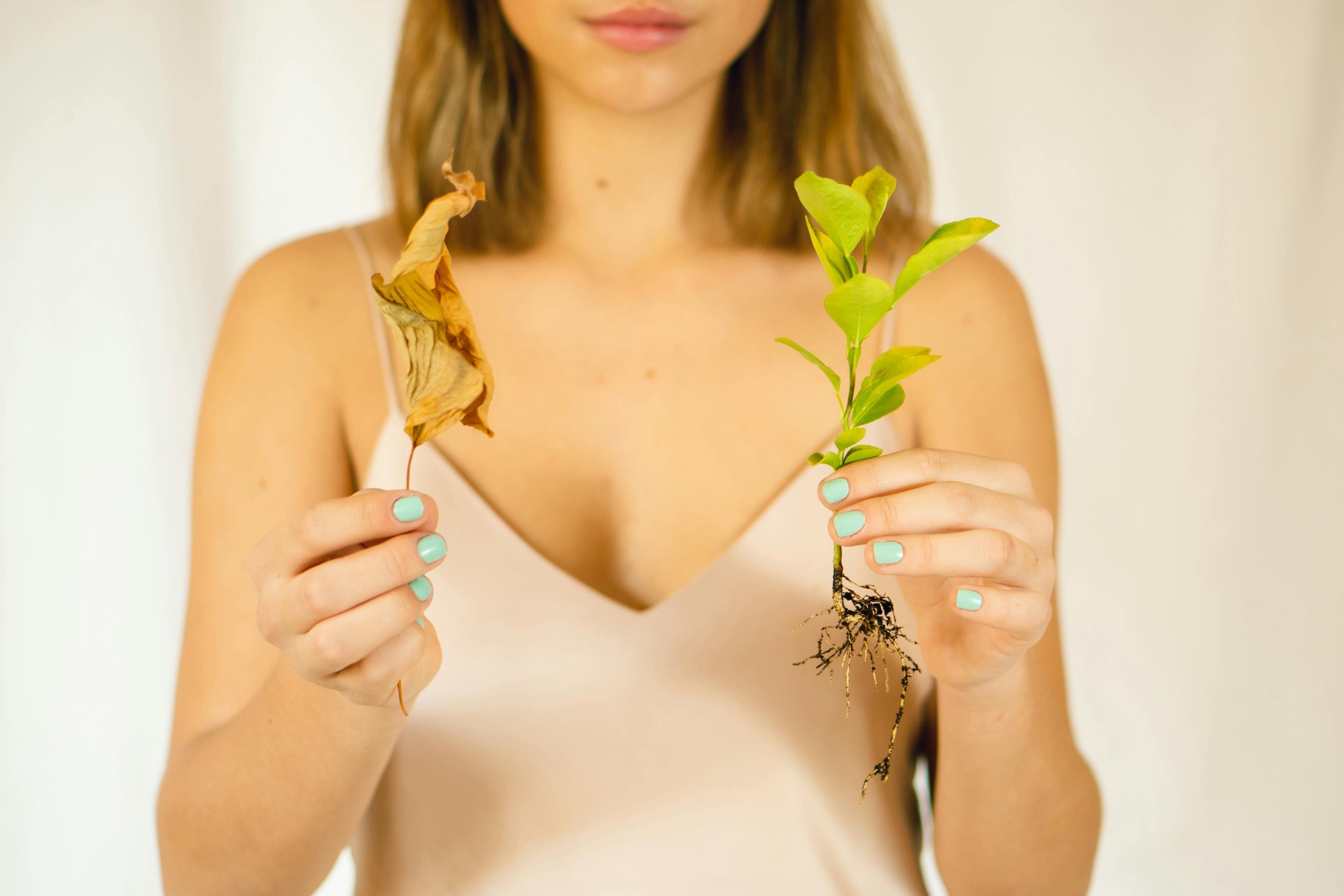
The control group grew normally. The negative group grew small, weak, and distorted — even developing upside-down leaves. The positive group grew tall, vibrant, and full of life.
Nothing else changed. Just the emotional input.
And suddenly, a bigger question emerges:
If words can influence plant biology… what are your words doing to your own nervous system?
The Invisible Biology of Words
We often think words are harmless. Just sounds. Just thoughts. Just internal dialogue.
But your brain doesn’t experience words as “just words.” It experiences them as signals.
Negative language triggers:
- Stress responses
- Cortisol release
- Defensive nervous system states
- Reduced creativity and growth
Positive language triggers:
- Dopamine and serotonin
- Relaxed parasympathetic state
- Increased openness and learning
- Improved resilience and recovery
In other words, your inner voice is programming your biology.
You are constantly either:
- Growing like the praised plant
- Surviving like the control
- Or shrinking under negativity
This Is Why Self-Talk Matters More Than You Think
Most people don’t realize how often they speak negatively to themselves:
“I’m not good enough.” “I always mess this up.” “I’m terrible at this.” “This will never work.”
Imagine saying those words to a child. Or to someone you love.
Now imagine hearing them all day long.
That’s the environment your mind grows in.
And just like the plant, your nervous system adapts to the emotional climate you create.
The Hidden Lesson About Bullying (Including Self-Bullying)
This experiment is often used in schools to teach the effects of bullying. When children see that even a plant responds to harsh words, something shifts.
They begin to understand:
Words don’t just describe reality. They shape it.
And the most important person you talk to every day… is you.
So the real takeaway isn’t just “be nice to others.” It’s this:
Stop bullying yourself internally.
Try This Experiment on Your Own Life
For the next 7 days, consciously shift your language:
Instead of: “I’m bad at this” Say: “I’m learning this”
Instead of: “I’m stressed” Say: “I’m growing”
Instead of: “I can’t do this” Say: “I’m figuring this out”
You’re not lying to yourself. You’re changing the emotional environment your mind grows in.
The Bigger Truth
Your thoughts are not neutral. Your words are not harmless. Your inner dialogue is not background noise.
It’s the soil your future grows from.
If kindness can help a plant grow taller… Imagine what it can do for your confidence, your health, and your potential.
So the next time you think a negative thought — pause.
Because you might be speaking to something alive. Yourself.
Summary Table: Experiment Groups and Outcomes
| Group | Treatment | Environmental Conditions | Plant Growth Outcome |
|---|---|---|---|
| Group A | Control (no verbal input) | Same sunlight and water as others | Medium height, normal leaf orientation |
| Group B | Negative insults and insults | Same sunlight and water | Small, stunted growth; leaves upside down |
| Group C | Positive praise and compliments | Same sunlight and water | Tall, healthy growth with vibrant green leaves |